


Hey there, fellow nature lovers! I'm a supplier of squirrel houses, and I've been getting a lot of questions lately about what kind of tree is best for a squirrel house. So, I thought I'd share some insights with you based on my experience and a bit of research.
First off, let's talk about why the choice of tree matters. Squirrels are arboreal creatures, which means they spend most of their time in trees. They rely on trees for food, shelter, and safety. When you install a squirrel house, you want to make sure it's placed in a tree that meets the squirrels' needs and provides a suitable environment for them to thrive.
Deciduous Trees
Deciduous trees are a great option for squirrel houses. These trees shed their leaves in the fall, which allows more sunlight to reach the ground during the winter months. This can be beneficial for squirrels, as it helps keep their nests warmer. Some popular deciduous trees for squirrel houses include oak, maple, and beech.
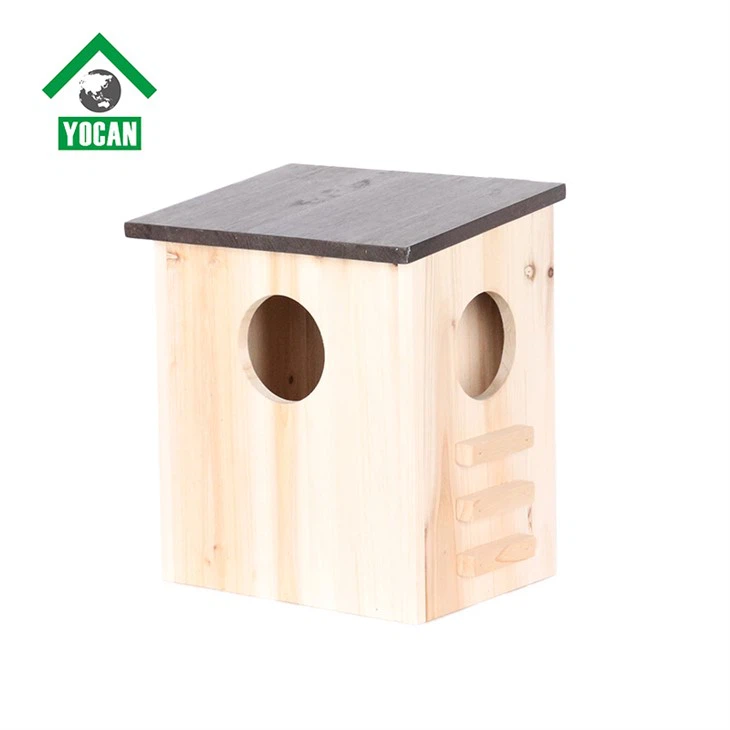
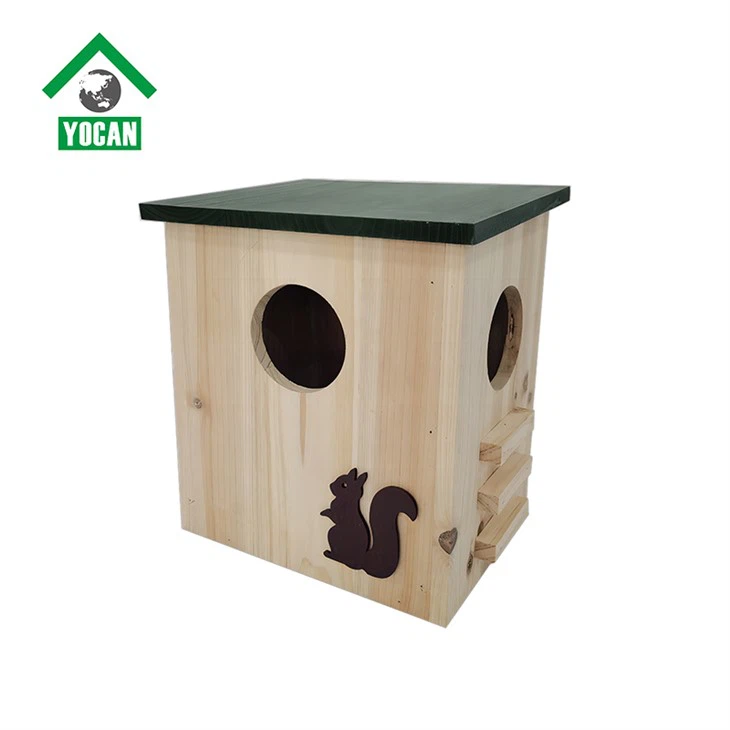
- Oak Trees: Oaks are known for their strong branches and large canopies, which provide excellent shelter for squirrels. They also produce acorns, which are a favorite food of many squirrel species. The thick bark of oak trees can also offer protection from predators and the elements. If you have an oak tree in your yard, it's a prime candidate for a squirrel house. Check out our Wooden Squirrel House to provide a cozy home for squirrels in your oak tree.
- Maple Trees: Maples are another great choice. They have a spreading canopy that offers plenty of shade in the summer and allows sunlight through in the winter. Maple trees also produce samaras (helicopter seeds), which squirrels like to eat. The branches of maple trees are usually strong enough to support a squirrel house, and their smooth bark makes it easy for squirrels to climb.
- Beech Trees: Beech trees have a dense canopy that provides good cover for squirrels. They produce beechnuts, which are a nutritious food source. The smooth, gray bark of beech trees is also appealing to squirrels, as it's easy for them to grip.
Coniferous Trees
Coniferous trees, such as pine, spruce, and fir, are also suitable for squirrel houses. These trees keep their needles year-round, which can provide additional insulation during the cold winter months.
- Pine Trees: Pine trees are common and offer several advantages. Their long, flexible branches can support a squirrel house, and the needles provide a soft bedding material for the squirrels. Pine cones are also a staple in a squirrel's diet. The resin from pine trees can even have some antibacterial properties, which may help keep the squirrel house clean. Our Outdoor Squirrel House would be a great addition to a pine tree in your outdoor space.
- Spruce Trees: Spruces have a dense, pyramidal shape that offers excellent protection from the wind and snow. The sharp needles can deter some predators, and the small cones are a food source for squirrels. The branches of spruce trees are sturdy and can hold the weight of a squirrel house.
- Fir Trees: Fir trees are similar to spruces in many ways. They have a thick canopy and strong branches. The soft needles of fir trees can make a comfortable nest lining for squirrels.
Considerations When Choosing a Tree
- Height: The tree should be tall enough to provide a safe and elevated location for the squirrel house. A height of at least 10 to 15 feet is recommended. This helps protect the squirrels from ground predators like cats and raccoons.
- Health: Choose a healthy tree. A diseased or dying tree may not be able to support the weight of the squirrel house or provide a stable environment for the squirrels. Look for signs of pests, fungus, or other issues before installing the house.
- Location: Consider the location of the tree in your yard. It should be away from high-traffic areas, such as driveways or busy sidewalks. Squirrels prefer quiet and secluded areas where they can feel safe.
Installation Tips
Once you've chosen the right tree, it's important to install the squirrel house correctly. Here are some tips:
- Use the Right Hardware: Make sure you use sturdy screws or brackets to attach the squirrel house to the tree. Avoid using nails, as they can damage the tree and may not hold the house securely.
- Face the Entrance Correctly: The entrance of the squirrel house should face away from the prevailing wind and rain. This helps keep the inside of the house dry and comfortable for the squirrels.
- Check Regularly: Periodically check the squirrel house to make sure it's still secure and in good condition. You may need to make adjustments or repairs over time.
Benefits of Providing a Squirrel House
- Conservation: By providing a squirrel house, you're helping to support local squirrel populations. This can be especially important in areas where natural habitats are being lost due to development.
- Entertainment: Watching squirrels come and go from their house can be a lot of fun. It's a great way to connect with nature and observe these cute and active animals up close.
- Ecosystem Balance: Squirrels play an important role in the ecosystem. They help disperse seeds, which contributes to the growth of new plants and trees.
If you're interested in purchasing a squirrel house for your yard, we have a wide range of options available. Our Wooden Squirrel House and Outdoor Squirrel House are made from high-quality materials and designed to provide a comfortable and safe home for squirrels.
If you have any questions or want to discuss your specific needs, feel free to reach out. We're here to help you make the best choice for your yard and the local squirrel population. Let's work together to create a friendly environment for these adorable critters!
References
- National Wildlife Federation. (n.d.). Attracting Squirrels to Your Yard.
- Audubon Society. (n.d.). Squirrels: Identification and Habits.