


As a dedicated supplier of wooden cat toys, I've delved deep into the world of woods used to craft these delightful products. The choice of wood is crucial, as it impacts not only the toy's durability and appearance but also the safety and enjoyment of our feline friends. In this blog, I'll explore the various types of wood commonly used in making wooden cat toys and their unique characteristics.
Pine Wood
Pine is one of the most popular choices for wooden cat toys. It's readily available, affordable, and relatively easy to work with. Pine has a light color and a distinct grain pattern that gives cat toys a natural and rustic look.
One of the key advantages of pine is its softness. This makes it gentle on cats' paws, especially when they're scratching or biting at the toy. Pine is also a good absorber of catnip, which is a favorite among many cats. When a pine toy is infused with catnip, it can provide hours of entertainment for our furry companions.
However, pine is not the most durable wood. It can be prone to scratches and dents, especially if a cat is particularly aggressive with its toys. But for lighter - use toys or those designed for younger or less active cats, pine can be an excellent option. For example, our Wooden Catnip Toy often uses pine wood as the base, allowing the catnip to seep into the wood and attract cats.
Cedar Wood
Cedar is another well - known wood in the cat toy industry. It has a pleasant, natural aroma that can be very appealing to cats. The scent of cedar is also known to have some insect - repellent properties, which can help keep pests away from the cat toys.
Cedar is a relatively hard wood, making it more durable than pine. It can withstand more vigorous scratching and biting from cats. This makes it a great choice for Wooden Cat Scratch Post Toy. Cats love to scratch on cedar posts to keep their claws healthy and sharp, and the wood can hold up well over time.
However, it's important to note that some cats may be sensitive to the strong scent of cedar. In rare cases, it could cause allergic reactions or respiratory issues. So, while cedar is a great option for many cats, it's always a good idea to observe your cat's reaction when introducing a cedar - based toy.
Birch Wood
Birch is a versatile wood that offers a good balance between durability and aesthetics. It has a smooth texture and a light color that can be easily stained or painted to create different looks for cat toys.
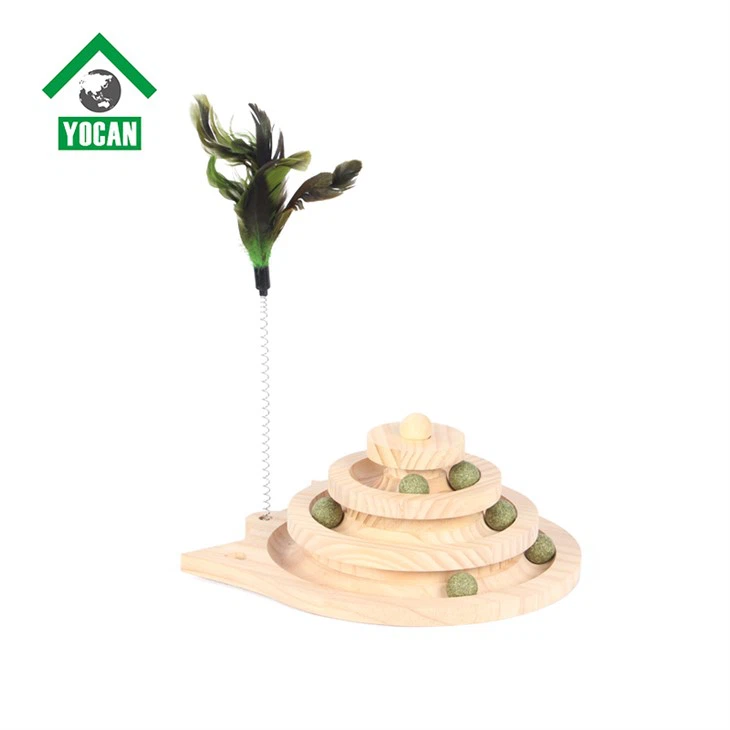
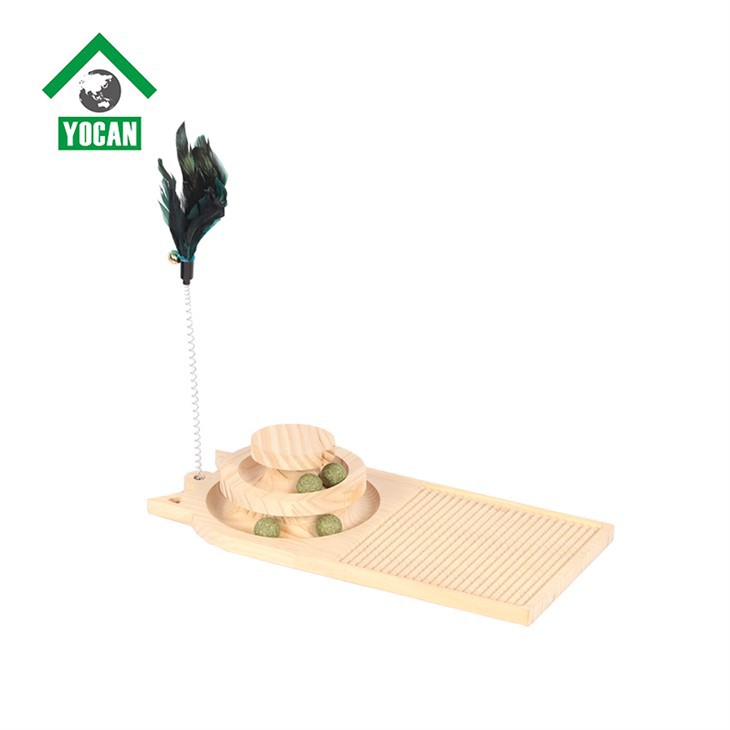
Birch is relatively hard and dense, which means it can resist wear and tear from cats' play. It's also less likely to splinter compared to some other woods, which is an important safety feature. Our Interactive Wooden Cat Toy often incorporates birch wood because of its ability to be shaped into complex designs while still maintaining its strength.
One of the drawbacks of birch is that it may not have as strong of a natural scent as cedar or as absorbent as pine for catnip. But with proper treatment and the addition of catnip, it can still be a highly engaging toy for cats.
Maple Wood
Maple is a high - quality wood that is known for its strength and beautiful appearance. It has a fine, even grain and a light color that gives cat toys an elegant look.
Maple is very durable and can withstand heavy use. It's resistant to scratches and dents, making it suitable for long - lasting cat toys. Cats that are very active and love to play rough will find maple toys to be a great match. However, maple is more expensive than some of the other woods mentioned above. This means that toys made from maple are usually priced a bit higher, but they offer excellent value in terms of longevity.
Bamboo
Although not a traditional wood, bamboo is often used in the production of cat toys. It's a sustainable and eco - friendly material that grows very quickly. Bamboo is lightweight yet strong, making it easy to handle for cats.
Bamboo has a unique texture that cats seem to enjoy scratching on. It's also resistant to moisture and pests, which helps to keep the toy in good condition. Our company is increasingly using bamboo in some of our cat toys as part of our commitment to environmental sustainability.
Considerations When Choosing Wood for Cat Toys
When selecting the wood for wooden cat toys, there are several factors to consider.
Safety: The wood must be non - toxic to cats. Some woods may have been treated with chemicals during the manufacturing process, which can be harmful if a cat chews on the toy. We ensure that all the woods we use are free from harmful substances and have been properly tested for safety.
Durability: As mentioned earlier, the durability of the wood depends on the cat's activity level. More active cats need toys made from harder, more durable woods, while less active cats can get by with softer woods.
Aroma and Texture: Cats have a highly developed sense of smell and touch. The aroma and texture of the wood can greatly affect a cat's interest in the toy. Some cats may prefer the strong scent of cedar, while others may be more attracted to the smooth texture of maple.
Appearance: The appearance of the wood also matters, especially for pet owners. A well - crafted wooden cat toy with an attractive wood finish can be a great addition to a home.
Conclusion
In conclusion, there are many types of wood that can be used to make wooden cat toys, each with its own unique set of characteristics. Pine offers affordability and a catnip - friendly surface, cedar provides durability and a natural aroma, birch combines strength and versatility, maple gives an elegant look and long - lasting performance, and bamboo offers sustainability.
As a supplier of wooden cat toys, we carefully select the wood for each toy based on the factors mentioned above. We want to ensure that our products are not only safe and durable but also highly engaging for cats.
If you're interested in our wooden cat toys or would like to discuss a potential purchase, we'd be more than happy to talk with you. Whether you're a pet store owner looking to stock our products or an individual cat lover wanting to buy a high - quality toy for your furry friend, don't hesitate to reach out for a procurement discussion.
References
- "Wood Handbook: Wood as an Engineering Material", Forest Products Laboratory
- "The Cat Owner's Manual", A.V. Koutsoyiannis