




As a dedicated supplier of high - quality hedgehog houses, I often receive questions from customers about the best placement for these shelters. One of the most common inquiries is whether it's suitable to put a hedgehog house in a shaded area. In this blog post, I'll delve into the scientific aspects of this question and provide you with all the information you need to make an informed decision.
Understanding Hedgehog Behavior and Habitat Requirements
Before we discuss the suitability of shaded areas for hedgehog houses, it's important to understand the natural behavior and habitat preferences of hedgehogs. Hedgehogs are nocturnal animals, which means they are most active at night. During the day, they seek out quiet, sheltered places to rest and sleep. In the wild, hedgehogs often make their nests in areas with plenty of vegetation, such as under bushes, in thickets, or in piles of leaves.
These natural habitats offer several benefits to hedgehogs. Firstly, they provide protection from predators. The dense vegetation acts as a barrier, making it difficult for larger animals to reach the hedgehog's nest. Secondly, natural habitats help regulate the temperature. They can keep the hedgehog cool in the summer and warm in the winter.
Advantages of Placing a Hedgehog House in a Shaded Area
Temperature Regulation
One of the main advantages of placing a hedgehog house in a shaded area is temperature control. Hedgehogs are sensitive to extreme temperatures. In hot weather, they can easily overheat, which can lead to heat stress and even death. A shaded area can help keep the inside of the hedgehog house cooler, providing a more comfortable environment for the hedgehog.
During the summer months, the sun can heat up the ground and any exposed surfaces. If a hedgehog house is placed in direct sunlight, the temperature inside the house can rise significantly, making it an inhospitable place for the hedgehog. In contrast, a shaded area can maintain a more stable and cooler temperature, similar to the natural habitats that hedgehogs prefer.
Protection from Predators
Shaded areas often have more cover, such as trees, bushes, or tall grass. This additional cover can provide an extra layer of protection for the hedgehog. Predators, such as foxes, badgers, and birds of prey, are less likely to spot a hedgehog house that is hidden in a shaded area. The dense vegetation can also make it more difficult for predators to access the house, reducing the risk of an attack.
Privacy and Security
Hedgehogs are solitary animals that value their privacy. A shaded area can offer a more secluded and quiet environment for the hedgehog. They are more likely to feel safe and secure in a place where they are less likely to be disturbed by humans or other animals. This sense of security is important for the hedgehog's well - being, as it allows them to rest and sleep without constant stress.
Potential Disadvantages of Placing a Hedgehog House in a Shaded Area
Moisture and Dampness
One of the potential drawbacks of placing a hedgehog house in a shaded area is the increased risk of moisture and dampness. Shaded areas tend to receive less sunlight, which means that the ground and the house itself may not dry out as quickly after rain or dew. Excessive moisture can lead to mold and mildew growth inside the hedgehog house, which can be harmful to the hedgehog's health.
To mitigate this risk, it's important to choose a well - drained location for the hedgehog house. Avoid areas that are prone to flooding or where water tends to collect. You can also elevate the hedgehog house slightly off the ground to allow air to circulate underneath and prevent water from pooling around the base.
Lack of Sunlight for Nesting Materials
Hedgehogs use a variety of materials, such as leaves, grass, and twigs, to build their nests inside the house. Sunlight is important for these nesting materials as it helps to dry them out and prevent the growth of bacteria and fungi. If the hedgehog house is placed in a shaded area, the nesting materials may stay damp for longer periods, increasing the risk of health problems for the hedgehog.
To address this issue, you can periodically check the hedgehog house and replace any damp or moldy nesting materials. You can also provide a small, sunny area nearby where the hedgehog can collect dry nesting materials.
Our Hedgehog House Products
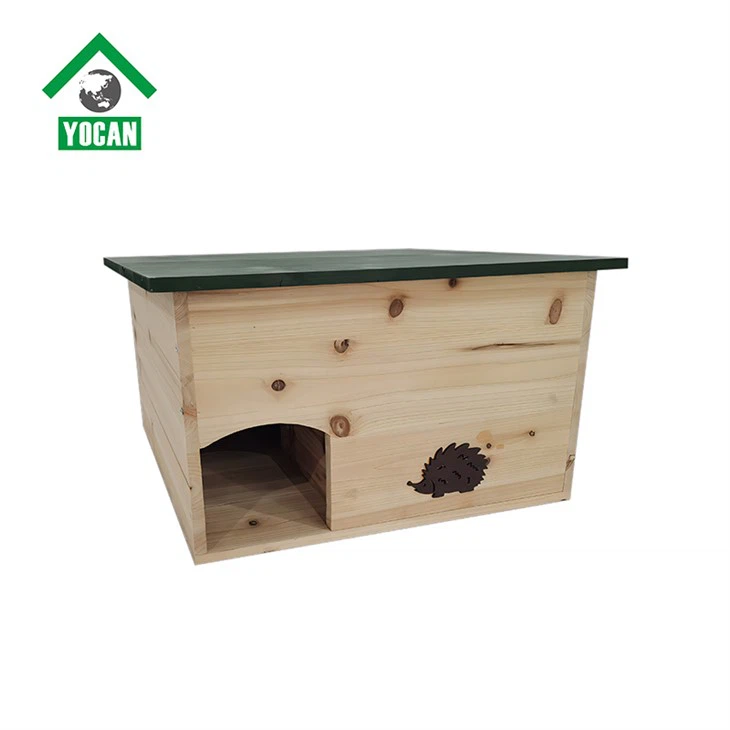
At our company, we offer a range of high - quality hedgehog houses that are designed to provide a safe and comfortable home for these adorable creatures. Our Wooden Outdoor Hedgehog House is made from natural, untreated wood, which is durable and environmentally friendly. It has a spacious interior and a small entrance, which helps to keep predators out.
For those who need a larger hedgehog house, we recommend our Large Hedgehog House. This house is suitable for multiple hedgehogs or for hedgehogs that prefer more space. It also has excellent ventilation to prevent moisture buildup.
In addition to our hedgehog houses, we also offer a Squirrel Hut House Wood, which can be used by other small animals as well. This versatile house is made from high - quality wood and has a sturdy construction.
Best Practices for Placing a Hedgehog House in a Shaded Area
Location Selection
When choosing a shaded area for the hedgehog house, look for a spot that is away from busy paths, roads, and areas with high human activity. The area should also be close to a source of food and water, such as a garden or a pond. Make sure the location is well - drained and has some natural cover, such as bushes or trees.
House Installation
Once you have selected the location, install the hedgehog house properly. Place it on a flat surface and make sure it is stable. You can use stones or bricks to elevate the house slightly off the ground if necessary. Fill the house with suitable nesting materials, such as dry leaves or straw, to make it more inviting for the hedgehog.
Regular Maintenance
Regular maintenance is essential to keep the hedgehog house in good condition. Check the house periodically for signs of damage, mold, or pest infestation. Replace the nesting materials as needed, especially if they become damp or dirty.
Conclusion
In conclusion, placing a hedgehog house in a shaded area can have many advantages, including temperature regulation, protection from predators, and privacy. However, it's important to be aware of the potential disadvantages, such as moisture and dampness, and take steps to mitigate these risks.
If you are interested in purchasing a high - quality hedgehog house for your garden, we would be happy to assist you. Our team of experts can provide you with more information about our products and help you choose the right hedgehog house for your needs. Please feel free to contact us to start a procurement discussion.

References
- Morris, P. A. (2017). The Natural History of the Hedgehog. Hampshire: Hampshire Book Services.
- Wembridge, P., & Young, R. (2019). Hedgehogs: A Complete Guide to Their Biology and Conservation. London: Bloomsbury Publishing.