


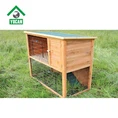


Hey there, nature lovers! I'm [Your Name], and I run a bat house supply business. Bats are pretty cool creatures, and they play a huge role in our ecosystem. One of the best ways we can help them out is by providing them with a cozy bat house. In this blog, I'll be talking about how bats use a bat house, and why it's so important for us to offer them these little homes.
Why Bats Need Bat Houses
First off, let's understand why bats even need bat houses. Bats are facing a lot of challenges these days. Their natural habitats, like old trees and caves, are being destroyed due to deforestation, urbanization, and other human activities. This makes it really tough for them to find a safe place to roost and raise their young.


A bat house can be a lifesaver for these little guys. It provides them with a secure and stable environment where they can rest during the day, away from predators and bad weather. Plus, it gives them a place to have their pups and nurse them until they're old enough to fly on their own.
How Bats Find a Bat House
Now, you might be wondering how bats actually find a bat house. Well, bats have an amazing sense of smell and echolocation. Echolocation is like a built - in sonar system. They emit high - pitched sounds that bounce off objects and then listen for the echoes to figure out where things are.
When we put up a bat house, it becomes a new object in their environment. The smell of the wood and the unique shape of the house can also attract them. Bats are also social animals, and they often follow other bats to good roosting spots. So, if one bat finds a great bat house, it'll likely tell its friends, and soon you might have a whole colony moving in.
What Bats Look for in a Bat House
Bats aren't too picky, but there are a few things that make a bat house really appealing to them.
Location
Location is key. Bats like their bat houses to be in a sunny spot. They need the house to be warm, especially in the early morning and late afternoon. A good rule of thumb is to place the bat house on a pole or the side of a building that gets at least 6 - 8 hours of direct sunlight each day. Bats also prefer bat houses that are at least 10 - 15 feet off the ground. This keeps them safe from predators like cats and raccoons.
Size and Design
The size and design of the bat house matter too. Bats like houses that are deep and have multiple chambers. This gives them plenty of space to roost and move around. They also need rough surfaces inside the house so they can easily cling to the walls. Our Red Cedar Bat House is a great example. It's made of high - quality red cedar, which is durable and has a natural resistance to rot. The interior is designed with rough surfaces to make it easy for bats to grip.
Ventilation
Proper ventilation is crucial. Bats can generate a lot of heat when they're roosting together in a group. If the bat house doesn't have good ventilation, it can get too hot inside, which is bad for the bats. Our Hexagon Bat House has been carefully designed with ventilation holes to keep the air flowing and the temperature just right.
How Bats Use a Bat House During the Day
During the day, bats use the bat house as a place to rest. They hang upside down from the ceiling or the walls of the house. This might seem a bit strange to us, but it's actually very comfortable for them. Their feet are designed in such a way that they can easily grip the surface without using any energy.
Bats are nocturnal, which means they sleep during the day and come out at night to hunt for food. While they're in the bat house, they're in a state of torpor, which is like a light hibernation. Their body temperature drops, and their heart rate slows down to conserve energy.
How Bats Use a Bat House During the Breeding Season
The breeding season is a really important time for bats, and the bat house plays a crucial role. Female bats will often form maternity colonies in the bat house. They'll give birth to their pups and nurse them inside the house. The warm and safe environment of the bat house is perfect for raising the young bats.
The mother bats will leave the bat house at night to hunt for insects to feed themselves and their pups. When they come back, they can easily find their own pup in the large colony by using their sense of smell and echolocation.
How to Encourage Bats to Use Your Bat House
If you've put up a bat house but haven't seen any bats yet, don't worry. It can take some time for bats to discover and move into a new bat house. Here are a few tips to encourage them:
Be Patient
It might take anywhere from a few weeks to a couple of years for bats to start using your bat house. Just keep the house in good condition and wait.
Keep the Area Clean
Make sure there's no debris or clutter around the bat house. Bats like a clean and open area around their roosting spot.
Provide a Water Source
Bats need water to drink. If you have a small pond, stream, or even a birdbath nearby, it can make your bat house even more attractive.
Our Bat House Products
We offer a wide range of bat houses to suit different needs and preferences. In addition to the Red Cedar Bat House and Hexagon Bat House I mentioned earlier, we also have the Wooden Bat House. This bat house is made of high - quality wood and is designed to last for years. It's also very easy to install.
Contact Us for Purchasing
If you're interested in buying a bat house for your backyard or a conservation project, we'd love to hear from you. Contact us to start a purchase negotiation. We can provide you with more information about our products, pricing, and shipping options.
References
- "Bats of North America" by Merlin D. Tuttle
- Bat Conservation International's official website
- Various research papers on bat behavior and habitat requirements