


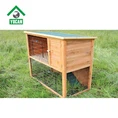


Hey there, fellow guinea pig lovers! As a supplier of top - notch Guinea Pig Houses, I've seen firsthand how crucial it is to maintain the right temperature in these little critters' homes. Guinea pigs are sensitive to extreme temperatures, and getting it just right can make a world of difference in their health and happiness. So, let's dive into how you can adjust the temperature in a guinea pig house.
Understanding Guinea Pig Temperature Needs
Guinea pigs are most comfortable in temperatures between 65°F and 75°F (18°C - 24°C). Temperatures below 60°F (15°C) can lead to hypothermia, especially if the guinea pig is wet or drafts are present. On the flip side, temperatures above 80°F (27°C) can cause heatstroke, which is extremely dangerous for these furry friends.
In Cold Weather
Insulation
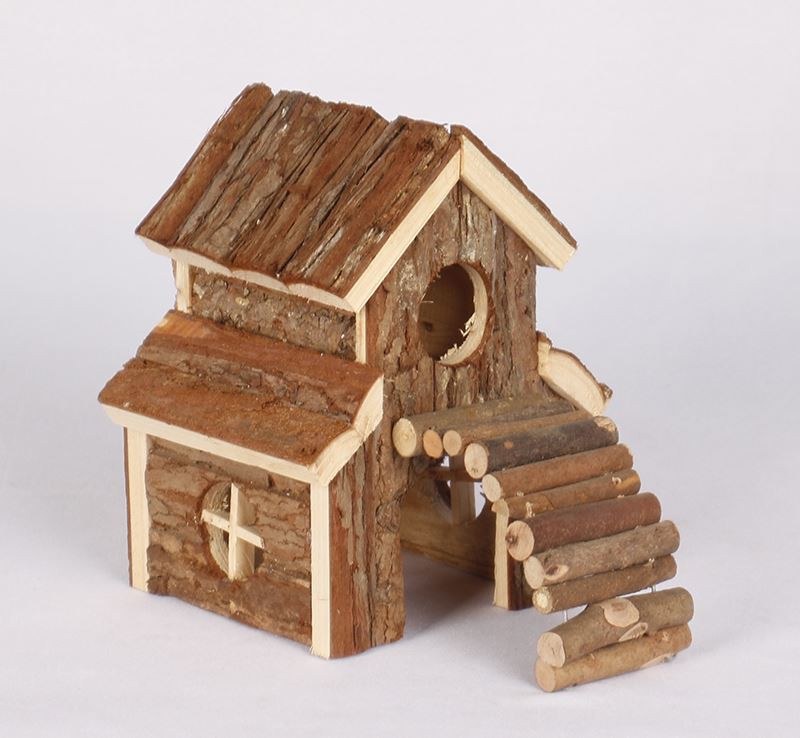
One of the first steps to keep your guinea pig warm in cold weather is to ensure their house is well - insulated. Our Wooden Guinea Pig House With Bark Roof is a great option. The wooden structure provides natural insulation, and the bark roof adds an extra layer of protection against the cold. You can also add some soft bedding materials like hay or shredded paper inside the house. These materials trap air, creating a warm and cozy environment for your guinea pig.
Heating Pads
Heating pads can be a lifesaver in cold weather. Place a low - wattage heating pad under one corner of the guinea pig house. Make sure to cover the heating pad with a thick towel to prevent direct contact with your pet, as it could cause burns. This way, your guinea pig can move to the warm area when it's cold and move away if it gets too hot.
Location
Move the guinea pig house to a warmer spot in your home. Avoid placing it near drafty windows or doors. A room with central heating or a spot away from cold air currents can help maintain a stable temperature inside the house.
In Hot Weather
Ventilation
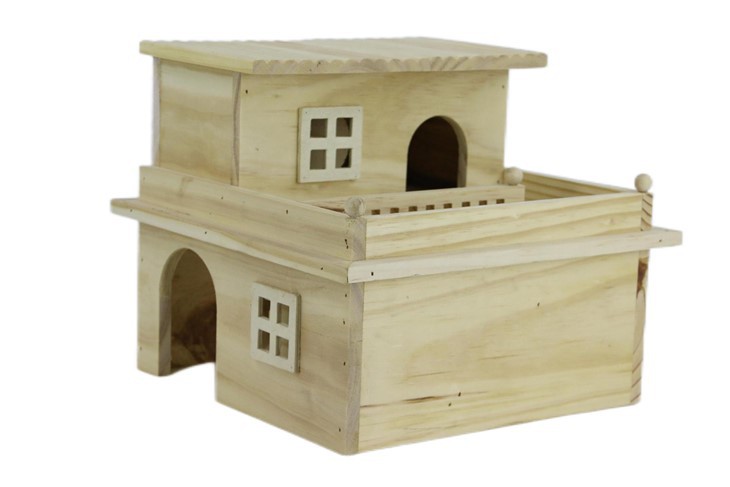
Good ventilation is key to keeping your guinea pig cool in hot weather. Our Natural Wooden Guinea Pig House is designed with proper ventilation in mind. The wooden slats allow air to circulate freely, preventing the build - up of hot air inside the house. You can also place a small fan near the guinea pig house, but make sure it's on a low setting and not blowing directly on the guinea pig.
Cooling Mats
Cooling mats are a great addition to the guinea pig house during hot days. These mats are usually made of a gel - like material that stays cool for a long time. Place the cooling mat inside the house, and your guinea pig can lie on it to cool down. You can also wet a small towel and place it in the freezer for a few minutes, then put it in the guinea pig house for a similar cooling effect.
Shade
Keep the guinea pig house in a shaded area. If it's outdoors, make sure it's under a tree or an awning. Indoors, move it away from direct sunlight. Sunlight can quickly heat up the inside of the house, putting your guinea pig at risk of heatstroke.
Year - Round Monitoring
Regardless of the season, it's important to monitor the temperature inside the guinea pig house regularly. You can use a small thermometer placed inside the house to keep track of the temperature. This will help you make adjustments as needed to ensure your guinea pig's comfort.
Using the Right Guinea Pig House
The type of guinea pig house you choose can have a big impact on temperature regulation. Our Wooden Guinea Pig House With Climbing Ladder not only provides a fun environment for your guinea pig to explore but also has features that help with temperature control. The wooden construction is breathable and can adapt to different temperatures better than some plastic or metal alternatives.
Tips for Beginners
If you're new to guinea pig care, don't worry! Just start by understanding the basic temperature needs of your pet. Invest in a good - quality guinea pig house from a reliable supplier (like us, of course!). And don't be afraid to experiment a bit to find what works best for your guinea pig.
Conclusion
Adjusting the temperature in a guinea pig house is an essential part of guinea pig care. By following these tips and using the right products, you can create a comfortable and safe environment for your furry friend all year round. Whether it's cold or hot outside, your guinea pig will be able to thrive in their well - regulated home.
If you're interested in purchasing high - quality guinea pig houses or have any questions about temperature control, feel free to reach out to us. We're here to help you provide the best care for your guinea pigs.
References
- "The Guinea Pig Handbook" by Sharon Vanderlip
- Various studies on small animal thermoregulation from veterinary journals