


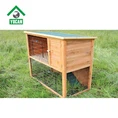


Hey there, fellow squirrel lovers! As a supplier of squirrel feeders, I've seen firsthand the issues that mold can cause in these little feeding stations. Mold not only ruins the food for our furry friends but can also pose health risks to them. So, I'm here to share some tips on how you can prevent mold from growing in a squirrel feeder.
Understanding Why Mold Grows in Squirrel Feeders
First things first, let's talk about why mold loves to set up shop in squirrel feeders. Mold thrives in warm, damp, and dark environments. When you think about it, a squirrel feeder can easily become a perfect breeding ground for mold. The seeds or nuts we put in there can absorb moisture from the air, especially during humid days or after a rain shower. And if the feeder doesn't get enough sunlight or proper ventilation, mold spores can quickly start to grow.
Another factor is the food itself. Some types of seeds and nuts are more prone to mold growth than others. For example, sunflower seeds with their high oil content can go bad faster and attract mold. Also, if the feeder isn't cleaned regularly, leftover food debris can accumulate and provide a great place for mold to grow.
Choosing the Right Squirrel Feeder
One of the best ways to prevent mold is to start with the right feeder. At our store, we offer a variety of feeders, each designed with mold prevention in mind.
The Bark Wood Squirrel Feeder is a great option. It's made from natural bark wood, which is not only eco - friendly but also has some natural resistance to mold. The design of the feeder allows for good air circulation, which helps keep the food dry. Plus, the bark gives it a rustic look that blends well with the natural environment.
If you have a small yard or just want to feed a few squirrels, the Small Squirrel Feeder is ideal. It holds a smaller amount of food, which means you can replace the food more frequently, reducing the chances of mold growth. It's also easy to clean and maintain.
For those with larger gardens, the Garden Squirrel Feeder is a great choice. It has a large capacity but is designed with multiple ventilation holes to keep the air flowing through the food. This helps prevent moisture buildup and keeps the food fresh.
Proper Placement of the Squirrel Feeder
Where you place your squirrel feeder can make a big difference in preventing mold. You want to choose a spot that gets plenty of sunlight. Sunlight helps dry out any moisture in the feeder and can also kill some of the mold spores. However, you don't want to place it in direct sunlight all day long, as this can cause the food to overheat and go bad.
A good location is under a tree or a covered area where it gets some shade but still has access to sunlight for a few hours a day. Also, make sure the feeder is not too close to any sources of water, like a sprinkler system or a birdbath. Water splashing onto the feeder can increase the moisture level and lead to mold growth.
Regular Cleaning and Maintenance
Cleaning your squirrel feeder regularly is crucial for preventing mold. You should aim to clean it at least once a week, more often during humid or rainy seasons.


To clean the feeder, start by emptying out any remaining food. Then, use a mild soap and warm water to scrub the inside and outside of the feeder. Pay special attention to any corners or crevices where food debris might be hiding. Rinse the feeder thoroughly with clean water and let it dry completely before refilling it with fresh food.
You can also use a diluted bleach solution (about 1 part bleach to 9 parts water) to sanitize the feeder once a month. This will kill any mold spores or bacteria that might be present. Just make sure to rinse the feeder very well after using the bleach solution to remove any residue.
Selecting the Right Food
The type of food you put in the feeder can also affect mold growth. As I mentioned earlier, some seeds are more prone to mold than others. Opt for high - quality, fresh seeds and nuts. Avoid buying large quantities of food that will sit in storage for a long time, as it may already have mold spores on it.
You can also mix up the food you offer. Instead of just using sunflower seeds, add some peanuts, corn, or dried fruits. This not only provides a more varied diet for the squirrels but can also reduce the risk of mold growth. And remember, don't overfill the feeder. Only put in as much food as the squirrels can eat in a few days.
Using Mold - Preventing Additives
There are some natural additives you can use to help prevent mold in the feeder. For example, adding a small amount of cinnamon to the food can act as a natural antifungal agent. Cinnamon has been shown to inhibit the growth of mold and bacteria. Just sprinkle a little bit over the seeds or nuts before putting them in the feeder.
Another option is to use food - grade diatomaceous earth. This is a natural powder made from the fossilized remains of diatoms. It can absorb moisture and help keep the food dry. You can mix a small amount of diatomaceous earth with the food in the feeder.
Monitoring the Feeder
Keep an eye on the feeder regularly. Check for any signs of mold, such as a fuzzy growth on the food or the inside of the feeder. If you notice any mold, take immediate action. Empty the feeder, clean it thoroughly, and replace the food with fresh supplies.
Also, observe the squirrels' behavior. If they seem to be avoiding the feeder or are acting sick, it could be a sign that there's a problem with the food or the feeder.
Conclusion
Preventing mold from growing in a squirrel feeder is not that difficult if you follow these tips. By choosing the right feeder, placing it in the right location, cleaning it regularly, selecting the right food, and using some natural additives, you can keep the feeder mold - free and provide a healthy feeding environment for the squirrels.
If you're interested in purchasing a squirrel feeder or have any questions about mold prevention, feel free to reach out. We're here to help you keep your squirrels happy and healthy!
References
- "The Biology of Mold: Understanding Mold Growth and Prevention." National Mold Information Center.
- "Squirrel Feeding: Best Practices for a Healthy Feeding Station." Wildlife Feeding Association.