


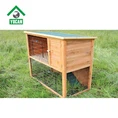


Hey there, fellow guinea pig lovers! As a supplier of guinea pig houses, I've seen firsthand how important it is to maintain the structural integrity of these little homes. A well - maintained guinea pig house not only keeps your furry friends safe and comfortable but also saves you money in the long run by avoiding frequent replacements. So, let's dive into some tips on how to keep your guinea pig's abode in top - notch condition.
Regular Inspections
The first step in maintaining the structural integrity of a guinea pig house is to conduct regular inspections. You don't have to do it every day, but a weekly check is a good idea. Look for any signs of wear and tear, such as loose parts, cracks, or splinters.
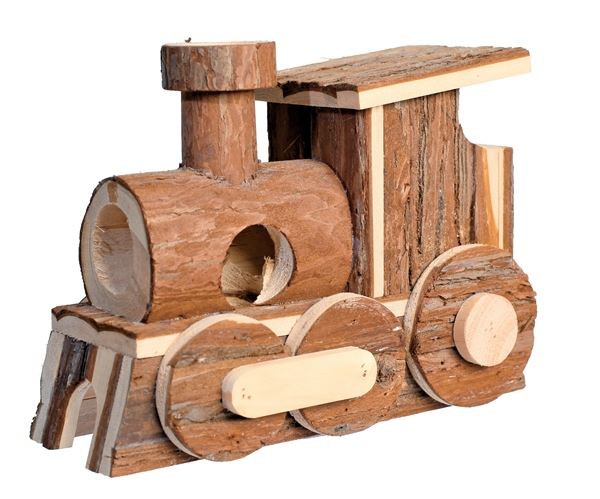
For wooden houses like our Wooden Guinea Pig Train - Shaped House, check the joints. Over time, the glue or nails holding the pieces together might start to loosen. If you notice any loose joints, you can use wood glue or small nails to fix them. Just make sure to let the glue dry completely and remove any sharp edges before putting your guinea pig back in the house.
Also, examine the floors. Guinea pigs are active little critters, and they might scratch the floors with their claws. If the floor is starting to get rough or has holes, it could pose a risk to your pet's feet. You can sand the rough areas or replace the floorboard if necessary.
Cleaning and Sanitizing
A clean guinea pig house is a happy guinea pig house, and it also helps maintain the structure. Guinea pigs produce a lot of waste, and if it's not cleaned regularly, it can cause damage to the house.
For plastic or wooden houses, you can use a mild soap and water solution to clean them. Avoid using harsh chemicals as they can be toxic to your guinea pigs. Scrub the surfaces gently to remove any dirt, urine, or feces. Rinse thoroughly and let the house dry completely before putting your guinea pig back in.
Our Wooden Guinea Pig Castle House With Ladder has multiple levels and nooks, so it's important to clean each part carefully. Pay special attention to the ladder rungs. Make sure they are clean and not slippery, as your guinea pig needs to be able to climb safely.
Protecting from Moisture
Moisture is one of the biggest enemies of a guinea pig house, especially if it's made of wood. Excess moisture can cause the wood to rot, which weakens the structure.
Place the guinea pig house in a dry area of your home. Avoid putting it near windows where it might get splashed by rain or in a damp basement. If you live in a humid climate, you can use a dehumidifier in the room where the guinea pig is kept.
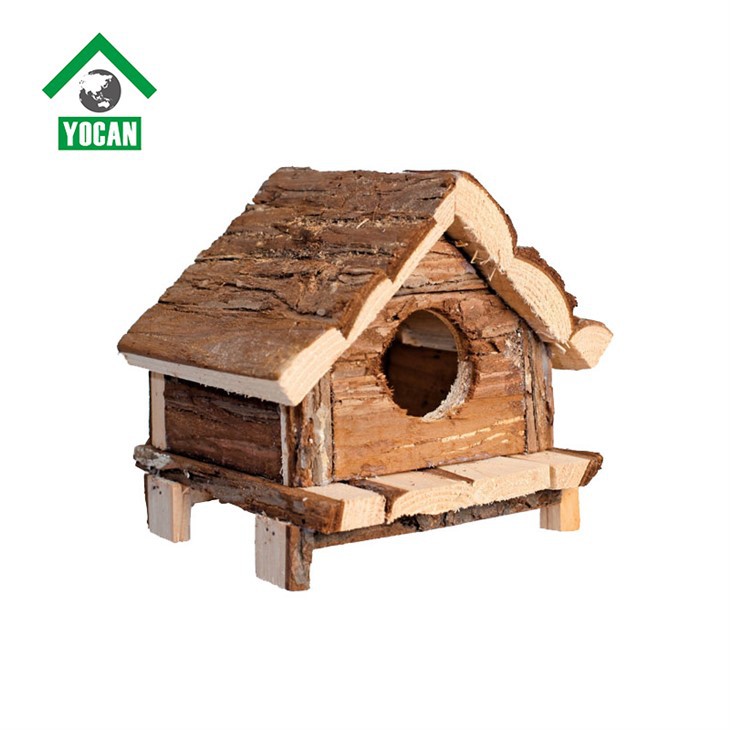
For our Guinea Pig Natural Bark House, which is made of natural materials, it's even more crucial to protect it from moisture. You can apply a thin layer of natural wood sealant to the outside of the house to make it more water - resistant. Just make sure the sealant is non - toxic to guinea pigs.
Preventing Chewing
Guinea pigs love to chew, and they might gnaw on the walls and floors of their house. While it's a natural behavior for them, it can cause damage to the structure.
You can provide your guinea pig with plenty of chew toys to redirect their chewing behavior. Wooden blocks, hay cubes, and untreated wicker baskets are all great options. By giving them something else to chew on, they'll be less likely to damage their house.
If your guinea pig has already started chewing on the house, you can try covering the chewed areas with a chew - resistant material. For example, you can use a small piece of metal mesh or a plastic guard. Just make sure there are no sharp edges that could hurt your guinea pig.
Proper Placement
Where you place the guinea pig house can also affect its structural integrity. Avoid placing it in an area where it might be knocked over or crushed. For example, don't put it in a high - traffic area where people or other pets might accidentally bump into it.
If you have multiple guinea pigs, make sure the house is big enough for them to move around comfortably. Overcrowding can lead to more wear and tear on the house as the guinea pigs jostle around.
Repairs and Replacements
Despite your best efforts, there might come a time when parts of the guinea pig house need to be repaired or replaced. If you're handy with tools, you can do some of the repairs yourself. But if the damage is extensive, it might be better to replace the house.
When replacing parts, make sure to use materials that are safe for guinea pigs. For example, if you're replacing a wooden panel, use untreated wood. Avoid using wood that has been treated with chemicals or paints that could be toxic.
Conclusion
Maintaining the structural integrity of a guinea pig house is essential for the well - being of your furry friends. By following these tips, you can ensure that your guinea pig's house lasts a long time.
If you're in the market for a new guinea pig house or need some advice on maintenance, don't hesitate to reach out. We're here to help you provide the best home for your guinea pigs. Whether you're interested in our Wooden Guinea Pig Train - Shaped House, Wooden Guinea Pig Castle House With Ladder, or Guinea Pig Natural Bark House, we've got you covered.
References
- "The Guinea Pig Handbook" by Sharon Vanderlip
- "Guinea Pig Care: A Complete Guide" by Dr. Jane Smith