




Cleaning the interior walls of a plastic rabbit cage is an essential task for every rabbit owner. As a dedicated Rabbit Cage supplier, I understand the importance of maintaining a clean and healthy living environment for your furry friends. In this blog, I will share some effective tips and techniques on how to clean the interior walls of a plastic rabbit cage properly.
Why Cleaning the Interior Walls of a Plastic Rabbit Cage is Important
Rabbits are sensitive animals, and their health can be easily affected by a dirty living environment. The interior walls of a rabbit cage can accumulate various contaminants over time, including urine, feces, food debris, and bacteria. These contaminants not only create an unpleasant odor but also pose a significant health risk to your rabbits.
Urine, in particular, can cause ammonia build - up, which can irritate your rabbit's respiratory system and eyes. Food debris can attract pests such as flies and ants, and bacteria can lead to infections and diseases. Regular cleaning of the interior walls of the plastic rabbit cage helps to prevent these issues and ensures that your rabbits live in a clean and hygienic environment.
Preparation Before Cleaning
Before you start cleaning the interior walls of the plastic rabbit cage, you need to make some preparations. First, you should move your rabbits to a safe and temporary location. This can be a small playpen or a carrier where they can stay comfortably during the cleaning process. Make sure the temporary location is well - ventilated and away from any potential hazards.
Next, gather all the necessary cleaning supplies. You will need a mild detergent or a rabbit - safe cage cleaner, a soft sponge or cloth, a scrub brush with soft bristles, a bucket of warm water, and some paper towels. Avoid using harsh chemicals or cleaners that contain bleach, ammonia, or other toxic substances, as these can be harmful to your rabbits.
Step - by - Step Cleaning Process
Empty the Cage
Remove all the items from the cage, including food bowls, water bottles, toys, and bedding. Dispose of the soiled bedding properly. You can wash the food bowls and water bottles separately with warm soapy water and rinse them thoroughly.
Pre - soak the Cage
Fill the bucket with warm water and add a small amount of mild detergent or rabbit - safe cage cleaner. Dip the sponge or cloth into the soapy water and wring it out gently. Wipe down the interior walls of the cage to loosen the dirt and debris. For stubborn stains, you can use the soft - bristled scrub brush to scrub gently.
Scrub the Walls
After pre - soaking, use the scrub brush to scrub the interior walls of the cage more thoroughly. Pay special attention to the areas where urine and feces have accumulated, such as the corners and the bottom of the cage. Scrub in a circular motion to ensure that all the dirt is removed. If there are any tough stains that are difficult to remove, you can let the soapy water sit on the stain for a few minutes before scrubbing again.
Rinse the Cage
Once you have scrubbed the interior walls of the cage, rinse it thoroughly with clean warm water. Make sure to remove all the soap residue. You can use a hose or a large pitcher of water to rinse the cage. Continue rinsing until the water runs clear.
Dry the Cage
After rinsing, use paper towels or a clean cloth to dry the interior walls of the cage. Make sure the cage is completely dry before putting your rabbits back in. A damp cage can promote the growth of mold and bacteria, which is harmful to your rabbits.


Additional Tips for Maintaining a Clean Cage
- Regular Spot Cleaning: In addition to deep cleaning the cage, you should also perform regular spot cleaning. Check the cage daily and remove any visible urine, feces, or food debris. This will help to reduce the frequency of deep cleaning and keep the cage clean between cleanings.
- Use Absorbent Bedding: Choose absorbent bedding materials such as hay, paper - based bedding, or wood shavings. These materials can help to absorb urine and reduce odor. Change the bedding regularly to keep the cage fresh.
- Provide a Litter Box: Train your rabbits to use a litter box. Place the litter box in a corner of the cage and fill it with rabbit - safe litter. This can help to contain the urine and feces in one area, making it easier to clean the cage.
Our Rabbit Cage Products
As a Rabbit Cage supplier, we offer a wide range of high - quality rabbit cages to meet the different needs of rabbit owners. For example, our Rabbit Cage with Wire Extension provides extra space for your rabbits to move around and play. It is made of durable plastic and wire, which is easy to clean and maintain.
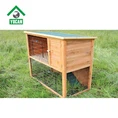
If you prefer a more natural look, our Wooden Rabbit Cage is a great choice. It is made of high - quality wood, which is not only aesthetically pleasing but also provides a warm and comfortable living environment for your rabbits.
Contact Us for Purchase and Consultation
If you are interested in our rabbit cage products or have any questions about rabbit cage cleaning and maintenance, please feel free to contact us. We are always here to provide you with professional advice and high - quality products. Whether you are a new rabbit owner or an experienced one, we can help you find the perfect rabbit cage for your furry friends.
References
- "The House Rabbit Handbook" by Marinell Harriman.
- Various veterinary resources on small animal care and housing.