


When it comes to spoiling our feline friends, choosing the right toys is crucial. Among the plethora of options available in the market, wooden and plastic cat toys stand out as two popular choices. As a wooden cat toy supplier, I've had the opportunity to closely observe the unique characteristics of both materials and understand their impact on our cats' well - being. In this blog, I'll delve into the differences between wooden and plastic cat toys, highlighting the advantages of wooden toys and why they might be the better option for your beloved pet.
Material Composition and Safety
One of the most significant differences between wooden and plastic cat toys lies in their material composition. Plastic toys are typically made from various synthetic polymers, such as polyethylene, polypropylene, or PVC. While many plastic toys are manufactured to meet safety standards, some may contain harmful chemicals like phthalates, bisphenol A (BPA), or lead. These chemicals can leach out over time, especially when the toy is chewed or exposed to heat, posing a potential health risk to cats.
On the other hand, wooden cat toys are made from natural materials, usually sustainably sourced wood. Wood is a non - toxic and biodegradable material, making it a safer choice for cats. Unlike plastic, wood does not contain harmful chemicals that could harm your cat if ingested. For example, a Wooden Catnip Toy is made from pure wood and filled with natural catnip, providing a safe and stimulating play experience for your feline friend.
Durability and Longevity
Durability is another key factor to consider when choosing cat toys. Plastic toys are often lightweight and can be easily broken or chewed apart by cats, especially those with sharp claws and strong teeth. Over time, plastic toys may develop cracks or break into small pieces, which can be a choking hazard for cats.
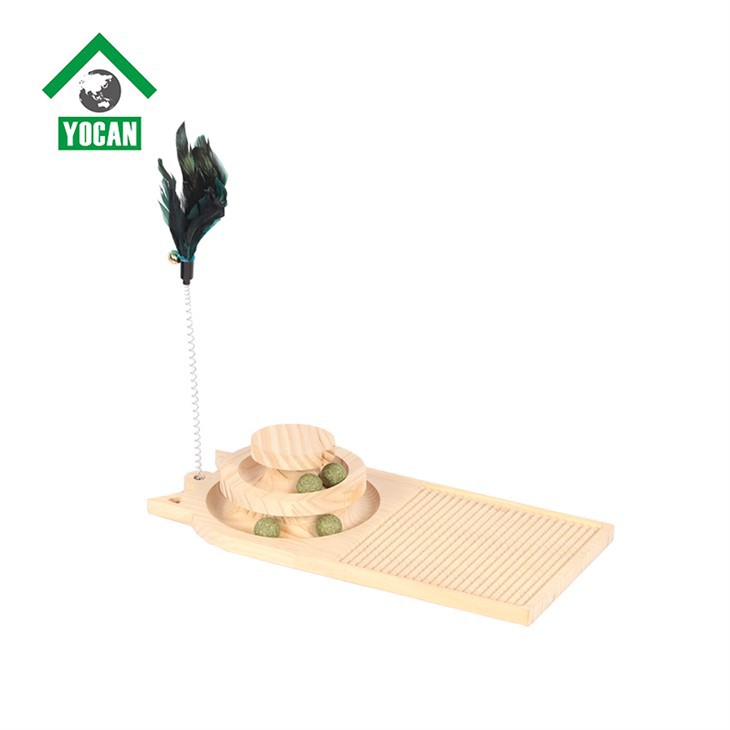
Wooden cat toys, however, are generally more durable. Solid wood construction can withstand the rough play of cats, including scratching, biting, and pouncing. A Wooden Cat Scratching Board Toy is designed to be sturdy enough to handle your cat's scratching instincts, and it can last for a long time with proper care. This not only saves you money in the long run but also reduces the environmental impact of constantly replacing broken toys.
Sensory Experience
Cats rely heavily on their senses to interact with the world around them, and the material of their toys can significantly affect their sensory experience. Plastic toys often have a smooth and cold surface, which may not be as appealing to cats as a natural, textured surface.
Wood, on the other hand, has a warm and natural feel. The texture of wood provides a unique tactile experience for cats, which can be stimulating and satisfying. The natural scent of wood also adds to the sensory appeal. Many wooden cat toys are infused with catnip, a herb that most cats find irresistible. The combination of the wood's natural scent and the catnip's aroma creates a multi - sensory experience that can keep your cat engaged for hours. An Interactive Wooden Cat Toy can provide your cat with both physical and mental stimulation, enhancing their overall well - being.

Environmental Impact
In today's world, environmental sustainability is an important consideration for many consumers. Plastic toys are made from non - renewable resources and are often difficult to recycle. When plastic toys end up in landfills, they can take hundreds of years to decompose, contributing to environmental pollution.
Wooden cat toys, in contrast, are a more eco - friendly option. Wood is a renewable resource, and many wooden toys are made from sustainably harvested wood. Additionally, wood is biodegradable, which means it will break down naturally over time, reducing its impact on the environment. By choosing wooden cat toys, you are not only providing a safe and enjoyable play experience for your cat but also making a positive contribution to the planet.
Aesthetic Appeal
The aesthetic of cat toys can also be a factor for cat owners. Plastic toys often come in bright, synthetic colors and may have a somewhat artificial look. While some cat owners may like the modern and colorful appearance of plastic toys, others prefer the more natural and rustic look of wooden toys.
Wooden cat toys can add a touch of warmth and charm to your home decor. They blend in well with natural or rustic - themed interiors, making them a more aesthetically pleasing choice for many households. Whether it's a simple wooden ball or an intricately carved catnip mouse, wooden toys can be both functional and decorative.
Cost - Effectiveness
At first glance, wooden cat toys may seem more expensive than plastic toys. However, when you consider the durability and longevity of wooden toys, they can actually be more cost - effective in the long run. As mentioned earlier, wooden toys are less likely to break or need replacement, which means you won't have to keep buying new toys as often.
In addition, wooden cat toys often come with added features, such as natural catnip or unique designs, that can provide more value for your money. For example, an interactive wooden toy can keep your cat entertained for hours, providing mental and physical stimulation that is beneficial for their health.
Conclusion
In conclusion, there are several significant differences between wooden and plastic cat toys. Wooden cat toys offer a safer, more durable, and environmentally friendly alternative to plastic toys. They provide a unique sensory experience for cats, enhance their well - being, and add a touch of natural charm to your home.
If you're interested in providing your cat with high - quality, safe, and sustainable toys, I invite you to explore our range of wooden cat toys. We are committed to providing the best products for your feline friends, and we would be more than happy to discuss your specific needs and requirements. Whether you're a pet store owner looking to stock our products or a cat owner wanting to spoil your furry companion, please feel free to reach out for more information and to start a procurement discussion.
References
- "Pet Product Safety: What You Need to Know." American Society for the Prevention of Cruelty to Animals (ASPCA).
- "Sustainable Wood Sourcing." Forest Stewardship Council (FSC).
- "The Sensory World of Cats." Journal of Feline Behavior.