



Organic chicken farming has gained significant popularity in recent years due to the increasing demand for healthy, chemical - free food. As a chicken coop supplier, I understand the importance of providing a suitable living environment for organic chickens. In this blog, I'll share some essential tips on how to make a chicken coop suitable for organic chicken farming.
Location Selection
The first step in creating an ideal chicken coop for organic chickens is choosing the right location. Organic chickens need access to fresh air, sunlight, and natural foraging areas. Select a site that is well - drained to prevent waterlogging, which can lead to dampness in the coop and cause health problems for the chickens.
A spot with partial shade is preferable. Too much direct sunlight can overheat the chickens, especially during the hot summer months, while complete shade may lead to a lack of vitamin D synthesis in the chickens. Moreover, the location should be away from potential sources of pollution such as busy roads, industrial areas, or chemical storage facilities.
Coop Design and Size
The design of the chicken coop is crucial for the well - being of the chickens. It should be designed to provide enough space for the chickens to move around comfortably. A general rule of thumb is to provide at least 2 - 3 square feet of indoor space per chicken. If you plan to keep a larger flock, make sure to scale up the coop size accordingly.
The coop should have proper ventilation. Good ventilation helps to remove moisture, ammonia, and other harmful gases from the coop. You can install vents near the roofline to allow hot air to escape and fresh air to enter. Windows can also be added to provide cross - ventilation. However, make sure to cover the windows with wire mesh to prevent predators from entering.
For the floor of the coop, use a material that is easy to clean and maintain. Concrete floors are a good option as they can be hosed down easily. You can also add a layer of bedding such as straw or wood shavings on top of the floor to provide a soft and comfortable surface for the chickens.
Nesting Boxes
Nesting boxes are an essential part of the chicken coop. Organic chickens prefer a quiet and private place to lay their eggs. You should provide one nesting box for every 3 - 4 chickens. The nesting boxes should be placed in a secluded area of the coop, away from high - traffic areas.
The size of the nesting box should be around 12 inches by 12 inches by 12 inches. Line the nesting boxes with soft bedding material such as straw or hay to make the chickens feel comfortable. Make sure to clean the nesting boxes regularly to prevent the growth of bacteria and parasites.
Roosting Bars
Chickens like to roost at night. Roosting bars should be installed in the coop at a height of about 2 - 3 feet from the floor. The bars should be smooth and round, with a diameter of about 2 inches. This allows the chickens to grip the bars easily and rest comfortably.
Space the roosting bars at least 10 - 12 inches apart to give each chicken enough space. Make sure the roosting bars are firmly attached to the walls of the coop to prevent them from wobbling or falling.

Outdoor Run
An outdoor run is an important feature for organic chicken farming. It allows the chickens to forage for insects, grass, and other natural food sources, which is an essential part of an organic diet. The outdoor run should be large enough to allow the chickens to move around freely. A good rule of thumb is to provide at least 8 - 10 square feet of outdoor space per chicken.
The outdoor run should be fenced with wire mesh to keep the chickens safe from predators. The mesh should be buried at least 12 inches underground to prevent predators from digging under the fence. You can also add a roof to the outdoor run to protect the chickens from the sun, rain, and predators.
Feeding and Watering Systems
For organic chicken farming, it's important to provide organic feed to the chickens. The feed should be free from synthetic pesticides, fertilizers, and genetically modified organisms (GMOs). You can purchase organic chicken feed from a reputable supplier or even make your own feed using organic grains, seeds, and other ingredients.
The feeding system should be designed to prevent waste and keep the feed clean. You can use trough - style feeders or hanging feeders. Make sure to clean the feeders regularly to prevent the growth of mold and bacteria.
Water is also essential for the chickens' health. Provide clean, fresh water at all times. You can use waterers such as nipple waterers or trough waterers. Check the waterers daily to make sure they are working properly and the water is clean.
Predator Protection
Predators are a major threat to chickens. To protect your organic chickens, you need to take several precautions. In addition to the wire mesh fencing around the outdoor run and the coop, you can install motion - activated lights or alarms. These can scare away predators such as raccoons, foxes, and coyotes.
You can also keep a guard animal such as a dog or a goose. Dogs can be trained to protect the chickens, while geese are naturally territorial and will honk to alert you of any potential threats.
Our Chicken Coop Products
As a chicken coop supplier, we offer a variety of high - quality chicken coops suitable for organic chicken farming. Our WPC Chicken Coop is made from weather - resistant and durable WPC material. It is easy to clean and maintain, making it a great choice for organic chicken farmers.
If you prefer a more traditional look, our Wooden Chicken Coop is a perfect option. It is made from high - quality wood, which provides a natural and warm environment for the chickens.
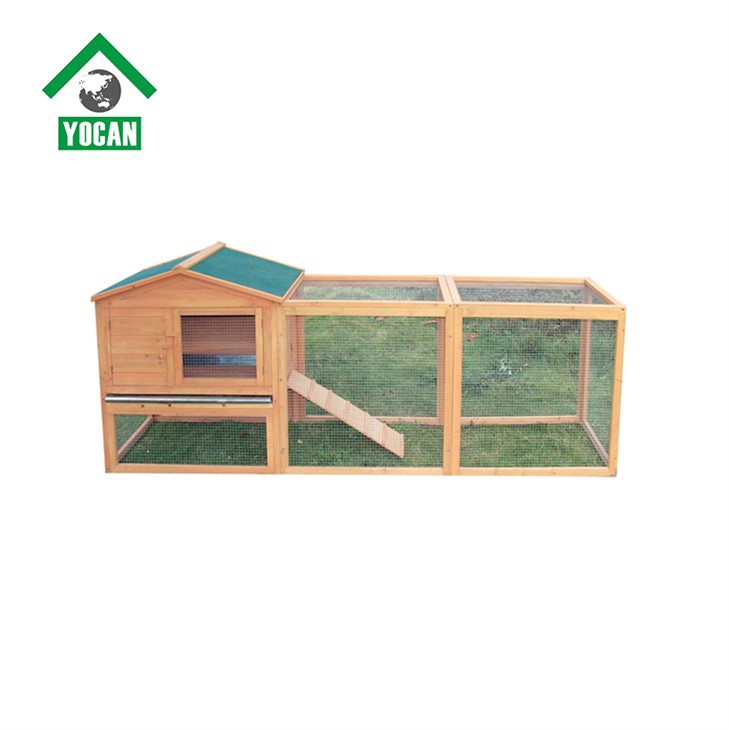
For those who want to provide more space for their chickens to move around, our Chicken Coop with Running Cage is an excellent choice. It combines a comfortable indoor coop with a spacious outdoor run.
Contact Us for Purchase and洽谈
If you are interested in our chicken coop products or have any questions about making a chicken coop suitable for organic chicken farming, please feel free to contact us. We are more than happy to assist you in choosing the right chicken coop for your needs and to discuss the details of the purchase.
References
- "The Chicken Health Handbook" by Gail Damerow.
- "Storey's Guide to Raising Chickens" by Gail Damerow.
- Various research articles on organic chicken farming from agricultural journals.