




Hey there! I'm a supplier of Hedgehog Houses, and I've seen firsthand how these little critters bring so much joy to our gardens. But the big question is, how can we ensure the safety of hedgehogs in a Hedgehog House? Well, let's dive right in and explore some key aspects.
Location, Location, Location
First off, where you place the Hedgehog House matters a whole lot. Hedgehogs are nocturnal and like to stay hidden during the day. So, pick a spot that's quiet and sheltered. A shady corner of your garden, away from direct sunlight and strong winds, is ideal. Underneath some bushes or near a fence can provide that extra cover they love.
If you're using our Large Hedgehog House, make sure it's on a flat and stable surface. You don't want it tipping over and scaring the poor hedgehogs. And keep it away from high - traffic areas in your garden, like paths where people or pets walk a lot. That way, they can come and go without being disturbed.
The Right Materials
The materials used to build the Hedgehog House are crucial for their safety. Our Wooden Outdoor Hedgehog House is made from high - quality, untreated wood. Why untreated? Well, chemicals in treated wood can be harmful to hedgehogs. They might chew on the wood or absorb the chemicals through their skin.
The wood should be thick enough to provide insulation. In cold weather, hedgehogs need a warm place to hibernate, and a well - insulated house can make all the difference. Also, check for any sharp edges or splinters. You don't want the hedgehogs getting hurt while they're moving around inside. Sand down any rough parts before setting up the house.
Ventilation and Drainage
Good ventilation is a must in a Hedgehog House. Hedgehogs need fresh air to breathe, and proper ventilation helps prevent the build - up of moisture. If there's too much moisture inside the house, it can lead to mold and mildew, which are bad for the hedgehogs' health. Make sure there are small ventilation holes near the top of the house.
Drainage is equally important. You don't want water pooling inside the house during rain. Our houses are designed with a sloped roof and drainage holes at the bottom. This ensures that water runs off quickly and keeps the inside dry. If you notice any blockages in the drainage holes, clear them out regularly.
Bedding and Nesting Materials
Hedgehogs love to make cozy nests. You can provide them with natural materials like dry leaves, straw, or hay. These materials are soft and warm, and they also mimic the hedgehogs' natural environment. Avoid using materials like cotton wool or synthetic fibers. Hedgehogs can get tangled in them, and they might not be as breathable.
Place the bedding inside the house, but don't pack it too tightly. Hedgehogs need to be able to move around and adjust the nest to their liking. You can replenish the bedding every few weeks to keep it fresh and clean.
Protection from Predators
One of the biggest threats to hedgehogs in a Hedgehog House is predators. Foxes, badgers, and some large birds might see hedgehogs as a tasty snack. To protect them, you can add a predator guard to the entrance of the house. This can be a small tunnel or a barrier that makes it harder for predators to reach the hedgehogs.
Our Squirrel Hut House Wood can also be a good option. Its design provides an extra layer of protection. You can also place the house in an area where there are natural barriers, like thick bushes or thorny plants, which can deter predators.
Regular Checks
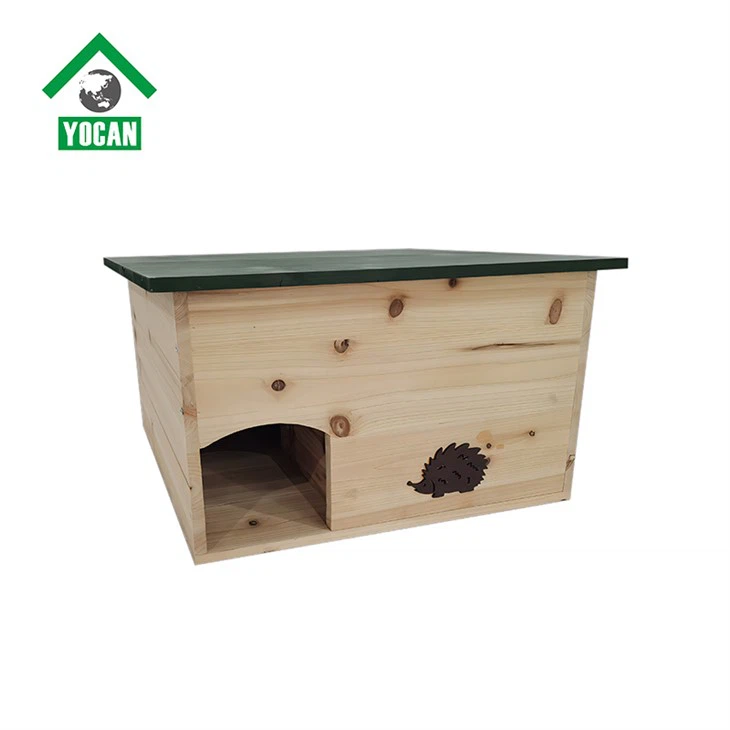
It's important to check the Hedgehog House regularly. This doesn't mean disturbing the hedgehogs all the time, but a quick peek every now and then can help you spot any potential problems. Look for signs of damage, like holes in the wood or loose parts. If you find any issues, repair them as soon as possible.

Check the bedding to see if it's still clean and dry. If it's wet or dirty, replace it. Also, keep an eye out for any signs of pests, like fleas or mites. If you notice any pests, you can use natural pest control methods to get rid of them.
Food and Water
Providing food and water near the Hedgehog House can also contribute to the hedgehogs' safety. Place a shallow dish of fresh water and some hedgehog - friendly food, like cat or dog food (preferably meat - based), near the entrance of the house. But make sure the food and water are not too close to the house. You don't want to attract other animals that might harm the hedgehogs.
Change the water daily to keep it clean, and don't over - feed the hedgehogs. Just provide enough food for them to eat in one sitting. This helps prevent attracting unwanted pests.
Community and Education
If you're part of a neighborhood or a community, you can spread the word about hedgehog safety. Encourage your neighbors to set up Hedgehog Houses and follow the same safety guidelines. You can also organize educational events to teach people about the importance of hedgehogs and how to take care of them.
By working together, we can create a safe and friendly environment for these amazing little creatures.
Contact for Purchase and Consultation
If you're interested in purchasing a Hedgehog House or have any questions about hedgehog safety, feel free to reach out. We're here to help you make the best choices for the hedgehogs in your area. Whether you need advice on setting up the house or want to learn more about our products, don't hesitate to get in touch.
References
- "The Hedgehog Book" by Pat Morris
- Hedgehog Preservation Society's guidelines on hedgehog care
- Various studies on hedgehog behavior and habitat requirements