


What is the weight of a typical plush cat tree?

As a supplier of plush cat trees, I often get asked about the weight of these popular cat products. Understanding the weight of a plush cat tree is crucial for several reasons, from shipping and handling to ensuring it can support your feline friend's activities. In this blog post, I'll delve into the factors that influence the weight of a typical plush cat tree and provide some general guidelines to help you make an informed decision.
Factors Affecting the Weight of a Plush Cat Tree
Size and Dimensions
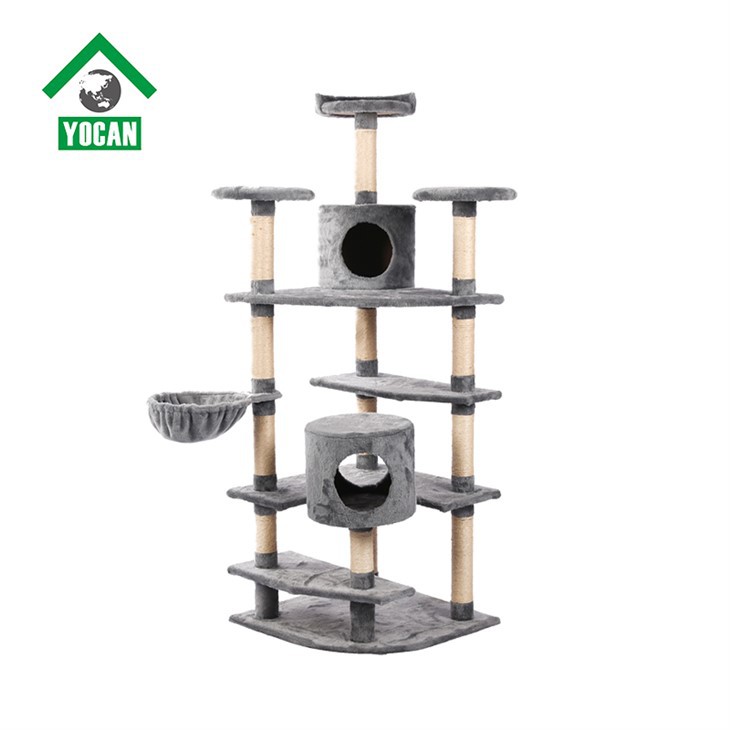
One of the most significant factors influencing the weight of a plush cat tree is its size and dimensions. Larger cat trees with multiple levels, platforms, and perches naturally weigh more than smaller, single-level models. For instance, a Large Plush Cat Tree designed to provide ample space for multiple cats to play, rest, and scratch will typically be heavier than a compact cat tree meant for a single cat.
Materials Used
The materials used in the construction of a plush cat tree also play a vital role in determining its weight. High-quality plush fabrics, sturdy wood frames, and durable sisal ropes for scratching are common components. Plush materials can add a soft and cozy feel but may vary in weight depending on their density and thickness. Similarly, the type of wood used in the frame, such as pine or oak, can significantly impact the overall weight. Sisal ropes, known for their durability and attractiveness to cats, contribute to the weight as well.
Additional Features
Many plush cat trees come with additional features that can increase their weight. These features may include built-in hiding spots, dangling toys, and attached scratching posts. For example, a Plush Cat Tree Scratcher with a large, heavy-duty scratching post will weigh more than a basic cat tree without this feature. The presence of multiple toys and accessories can also add to the overall weight.
Typical Weight Ranges
Small Plush Cat Trees
Small plush cat trees, often suitable for kittens or single cats in smaller living spaces, typically weigh between 5 to 15 pounds (2.3 to 6.8 kilograms). These cat trees usually have one or two levels and minimal additional features, making them lightweight and easy to move around.
Medium Plush Cat Trees
Medium-sized plush cat trees, which offer more space and features than small ones, generally weigh between 15 to 30 pounds (6.8 to 13.6 kilograms). They may have two to three levels, multiple perches, and a scratching post, providing a more engaging environment for your cat.
Large Plush Cat Trees
Large plush cat trees, designed for multiple cats or for cats with plenty of energy to burn, can weigh anywhere from 30 to 60 pounds (13.6 to 27.2 kilograms) or more. These cat trees often have three or more levels, spacious platforms, and a variety of features such as hiding spots and multiple scratching posts. A Plush Cat Tree Tower is a good example of a large and heavy cat tree that can provide a full-fledged playground for your feline companions.
Why the Weight Matters
Shipping and Handling
The weight of a plush cat tree is a critical consideration when it comes to shipping and handling. Heavier cat trees may incur higher shipping costs, especially if they need to be shipped over long distances. Additionally, the weight can affect the ease of moving the cat tree into your home. If you have limited physical strength or need to navigate narrow hallways and staircases, a lighter cat tree may be more practical.
Stability
The weight of a cat tree is directly related to its stability. A heavier cat tree is generally more stable and less likely to tip over when your cat jumps on or off it. This is particularly important for larger cat trees with multiple levels, as a lack of stability can pose a safety risk to your cat.
Support for Your Cat
A cat tree needs to be able to support the weight of your cat comfortably. Heavier cat trees with sturdy frames and well-constructed platforms are better equipped to handle the active movements of larger or more energetic cats. Ensuring that the cat tree can support your cat's weight will prevent damage to the tree and keep your cat safe.
Choosing the Right Weight for Your Needs
When selecting a plush cat tree, it's essential to consider your specific needs and circumstances. If you live in a small apartment and have a single, small cat, a lightweight, small cat tree may be sufficient. On the other hand, if you have multiple cats or a large, active cat, investing in a heavier, more substantial cat tree is advisable.
It's also a good idea to read product descriptions and customer reviews to get an accurate idea of the weight and quality of the cat tree you're considering. Some manufacturers may provide detailed information about the materials used and the weight distribution of their cat trees, which can help you make an informed decision.
Contact Us for Purchasing
If you're interested in purchasing a plush cat tree and have questions about the weight or other aspects of our products, we're here to help. Our team of experts can provide you with detailed information about our different models, including their weight, dimensions, and features. Whether you're looking for a small, lightweight cat tree or a large, heavy-duty one, we have a wide range of options to choose from.
Feel free to reach out to us to start a discussion about your cat's needs and how our plush cat trees can meet them. We're committed to providing high-quality products and excellent customer service, and we look forward to helping you find the perfect cat tree for your furry friend.
References
- General knowledge about cat tree construction and materials from the cat product industry.
- Experience as a plush cat tree supplier in evaluating product weights and customer needs.