

Rabbit Hutch
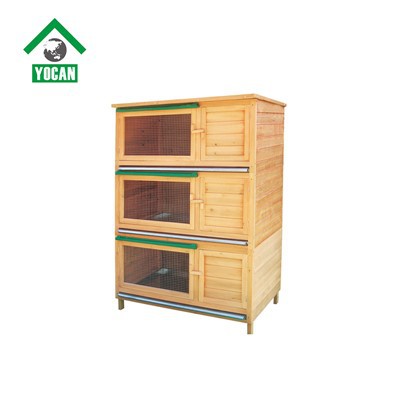
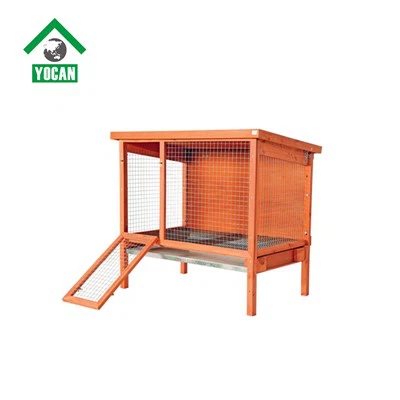
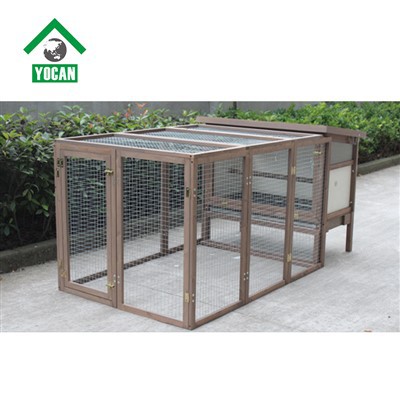
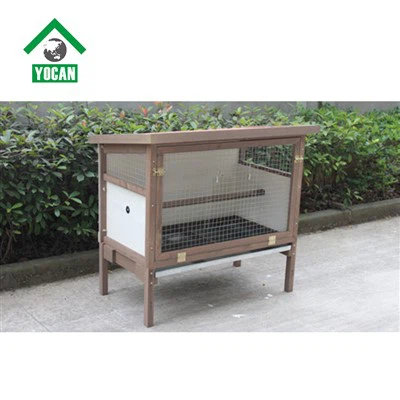
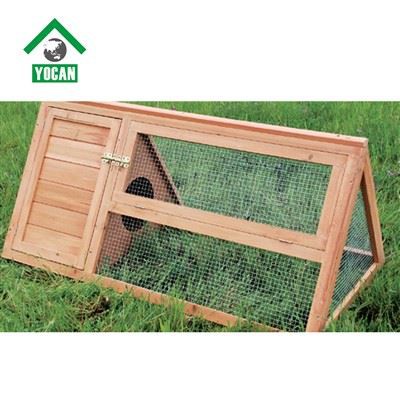
A rabbit hutch is an enclosure designed for housing one or more rabbits. Often made from sturdy, weather-resistant materials such as wood and metal, rabbit hutches come in various shapes and sizes. These structures aim to offer a safe, protective environment where your rabbit can eat, sleep, and play.Most rabbit hutches will include a sheltered area, usually enclosed on all sides with solid wood sides and a roof, so it is dry during inclement weather, and provides a relaxing space for your bunny to sleep. Along with the fully enclosed area, there is an wire mesh enclosed area to allow rabbits to safely play and exercise.
Advantages of Rabbit Hutch
Indoor mobility
Even if you are used to keeping your animals outside of the residence, there come times when you want to be able to play with them indoors. Rabbits are naturally curious creatures that tend to wander and meander around whenever they discover newfound locations; this means that they could be lost inside your home or having the risk of being step on by accident since they are so small and at times can be hard to notice.
Safety
As mentioned above, the little animal’s safety can be ensured from rough weathers and dangerous predators such as hawks, foxes, and cats. Rabbits will only breed in a safe and secure location such as their nest so that they are able to take care of their young without any risk.
Comfort
By providing them with hutches, we do not deny them their natural instinct to stay safe and comfortable living space. Rabbits in the wild dig burrow to escape from predators and avoid being too cold in the snow and too hot in the scorching sun. Hutches are able to substitute their burrows and even provide them with portable food and water supply so that they can breed and nurture their bunnies comfortably.
Visibility
Since the animal is small, sometimes we can fail to notice them. However, by buying a comfortable enclosure, we can keep track of their whereabouts and detect any signs of behavioral changes or any illness symptoms that can threaten their lives.


Why Choose Us
Our history
Zhejiang youqiang industrial co.,ltd was established in 2002 as a specialized manufacturer of pet products. Through years of efforts, our factory has 40,000 plus sq.M. Of standard factory buildings, new workshops for metal pet products and sales office in hangzhou.
Our product
Youqiang firmly believes that in order to gain a continuous development in the fierce competition of pet products, new products has to be developed. Until now we have developed a whole range of pet products, including over ten thousand item.
Our certificate
We have international certifications as iso9001 management system, fsc and bsci certication, passed the inspection by tuv, sgs, qcs, etc.
Production market
Main market in north america and europe, famous companies like petsmart,trixie, pets at home, fressnapf, costco etc.
While there are many types of rabbit hutches, from outdoor designs to cages with open roofs and even multistory pens, we’ll give you some simple steps to build a rabbit hutch that even a beginner should be able to follow below.
Build the frame
Your first step is building the frame for your rabbit hutch. You can make your frame using 1×1-inch lumber. Once your base is secure, you’ll attach your slats to the frame’s exterior. Then, drill pocket holes in both ends of your slats for a professional feel and look. Cut your chicken wire to cover the openings, and attach it.
Cut a ¾ inch piece of plywood to fit, then lock it into the top of the enclosure. At this point, many rabbit owners build a little ladder for their pets, which is optional.
Interior walls
Now it’s time to move onto your interior wall. Assemble your wall, then attach it inside of the frame. Once your interior walls are set up and locked in place, move on to step three.
Install the door
It’s time to build your door using your 1×2-inch piece of lumber. Once the door is the right size, fit it inside the opening of your hutch, and fix it to the cage using the metal hinges. Once it’s in place, check to make sure it opens properly, then install your lock, so it doesn’t come open.
Build the rafters
Your next step is to build the rafters. Cut your rafters at 88 degrees. This is easiest if you use a circular saw with a very sharp blade, but take all safety precautions when cutting with any tool. Once your rafters are cut, align them at both ends of the hutch and fasten them securely to the top with screws.
Fasten shingles
Fasten a piece of plywood to the top of the hutch and cover the top with tar paper. Next, you can install asphalt shingles on the roof. You want your shingles to overhang the hutch by about one inch to help water drain instead of piling on the top of the roof.
Finishing touches
Finally, you need to take care of the finishing touches on the hutch your rabbit pal will call home. After you ensure the structure is secure, you can carefully move it to its permanent location.
How to Choose Rabbit Hutch
Size matters
First and foremost, the size of the hutch is a crucial consideration. As social animals, rabbits need plenty of space to move around, stretch their legs, and explore.
As social animals, rabbits need plenty of space to move around, stretch their legs, and explore. The recommended hutch size for a single rabbit is four times the size of the bunny, and the minimum size should allow your rabbit to stand up on their hind legs and move around without restrictions. For instance, if you have a rabbit that is 2 feet long, your hutch should be at least 8 feet long. That’s quite a big space, so make sure you measure and choose accordingly!
Location, location, location
Where you place the hutch is another important factor to consider. Rabbits are sensitive to temperature changes, so make sure the hutch is not in an area that is too hot or cold. Avoid areas with direct sunlight, as the hutch can quickly become too hot, leading to heatstroke, dehydration, or even death. Make sure the location is well-ventilated to ensure your rabbit has fresh air to breathe but avoid drafty areas.
Ideally, the hutch should be in an area where you can easily monitor your bunny's well-being. Also, avoid placing the hutch in an area where there's excessive noise or disturbance, as it can lead to stress and anxiety in your bunny.
Materials
When it comes to hutch materials, there are several options to choose from. Wooden hutches are the most common choice for rabbit owners because they provide good insulation and look nice in any backyard. However, the wood used to make the hutch should be non-toxic to avoid poisoning your bunny. A wire mesh hutch is another option, but it should have a wooden floor to avoid foot injuries.
If you live in a region that experiences rainy or damp weather, consider a hutch with a waterproof roof to keep your bunny dry and cozy. The roof should slope down and away from the hutch to avoid water accumulation and to provide shade from the sun.
Accessories
Bunnies need more than just a hutch. The best rabbit care requires toys for entertainment, food bowls, and water bottles. Rabbits also need a comfortable bed to rest in and hideaway when they need some alone time. You can add accessories such as tunnels, chew toys, and hay feeders to keep your bunny entertained and healthy. However, ensure that the accessories are safe, non-toxic, and appropriate for your bunny's size and breed.
Companionship
As social animals, rabbits need companionship to thrive. If you have more than one rabbit, consider a hutch that can accommodate them both comfortably. The hutch should have separate compartments, ramps, and hiding spaces to reduce stress and prevent fighting. However, if you have a single rabbit, consider getting another bunny as a companion. Rabbits love to play, groom each other, and cuddle, and it’s a great way to ensure your bunny is happy and healthy.
Plywood
If you ask me what wood is safe for a rabbit hutch, the first thing that will come to my mind is plywood. It may look like a soft material that cannot withstand severe weather conditions. But this simple wood board with the right size, ply, and build will make a good rabbit hutch.
Willow
Another wood safe for a rabbit hutch is willow. You can often see this wood used as a component of a rabbit’s toys. Sometimes’ rabbit owners also give their rabbits willow twigs to chew. This only means that a willow wood is safe for the rabbits and is completely safe for a rabbit hutch.
Bamboo
The untreated bamboo woods are also perfect for your rabbits since they are edible. The rabbits can chew them without causing any harm to their health. However, be cautious if you use bamboo wood for your rabbit’s hutch. If they munch too much, it may cause an upset stomach.


Maple
Maple woods come from a large group of trees and shrubs where some of the maple trees produces maple syrup, while some have those perfect dense hardwood that makes a piece of seamless home furniture.
Whichever type of maple woods you choose, both are perfect for a rabbit hutch. Furniture or anything made up of maple woods are sturdy and can withstand harsh weather conditions. Most importantly, maple woods are completely safe for your rabbits as long as it doesn’t have any chemicals on them like paint.
Apple and pear
“An apple a day keeps the doctor away,” they said. It’s true as well with rabbits. Apples and pears, twigs, branches, and leaves are healthy for rabbits. This only means that apples and pears woods are also safe for rabbits. Thus, the apple and pears woods make a perfect rabbit hutch.
Cottonwood
Cottonwoods are mostly used for matchboxes and matches-making less the phosphorus. This type of wood and all its parts are completely safe for rabbits. Therefore, you can build a rabbit hutch made of cottonwood without any worry.
Your rabbit needs plenty of space to hop around
It is recommended that the cage be six times the length of your rabbit. The cages you find at pet stores can be small or they might not be the cage that you had envisioned.
Rabbits in a cage
If this is the case, you can always build one from wire storage cubes (that you build yourself) and zip ties. For the owner that would like to pamper their rabbit, there is always the option to build a rabbit condo for your rabbit. For step by step instructions, click here.
Do not use mesh or wire for the lining of your rabbit’s cage
This can hurt the rabbit’s sensitive feet and can cause an infection or sore hocks. The material scattered around the cage should be hay or rabbit-safe material or bedding.
Rabbits are sensitive creatures, which is why it's recommended that you use precaution when deciding on a material to line the cage. Hay and shredded newspaper are common but they do not absorb animal waste as well as recycled pulp or food grade bedding.
Know your rabbit's habits
When it is time to put things inside your cage, it is important to understand that you may be rearranging the cage to your rabbit’s liking. Your fury friend tends to go to the bathroom while they are eating making it is wise to put the litter box under the hay rack.
Remember rabbit care basics: To raise a healthy rabbit, grass hay must be fed to them every day and be at least 80% of their diet. Timothy hay, orchard grass, and mountain grass is fed to rabbits that are older than seven months. Alfalfa hay is fed to rabbits that are younger than seven months. Make sure that this transition happens or your rabbit will become obese and/or develop urinary tract problems.
You need a water bowl or water bottle
Choosing the method on which you give your rabbit water is up to you, both will work to get your rabbit the needed water to stay hydrated. The main difference between the two is the amount of effort you use to clean and replace the water.
It is suggested that you use a hanging water bottle to prevent any food, feces or bedding finding its way into the water. If you choose to use a water bowl, make sure you check it periodically throughout the day to ensure that nothing has landed in the water.
Create a cozy place
Just like most animals and humans, rabbits love to get cozy when they get tired and lazy. To create a cozy place for them to relax you can lay down a towel, blanket or rabbit bed.
Give your rabbit toys
Rabbit's like to play and be entertained too! If your rabbit stays inside their cage for long periods of time it's important that you place some toys inside their cage to help them stay occupied and to pass the time until you can play with them.
You can also throw in a few chewing toys for them such as apple sticks to help entertain them and keep their teeth worn down!
Lay out items for them to chew on
Rabbits love to chew on anything they can get their teeth on. You can help make sure your rabbit chews on things that are safe by placing items that are okay for them to chew on inside their cage.
A lot of things your rabbit can safely chew on can be found around your home, check it out! You can also throw in a few apple sticks for them to munch on, not only will help to entertain them but it will also help to wear down their constantly growing teeth.
Include something your rabbit can crawl inside when they are afraid
It’s no mystery that rabbits are known to be skittish, so having a smaller cardboard box (that they can still fit in) gives your fury friend a place to hide when they need it.

How to Clean a Rabbit Hutch
Your rabbits deserve to be treated just like any other much-loved house pets, so this means you have a duty to ensure their hutch is maintained, cleaned, and kept safe. We advise having a set schedule, so you know it is done regularly, it’s also a great chore for children to get involved in as it teaches them some of the responsibilities of keeping chickens.
We recommend a weekly clean, and a once or twice yearly deep clean and maintenance check.
The weekly clean of your rabbit hutch should involve the following.
Remove all feeders, bedding, bottle and toys etc.
Try to remove as much debris as possible, some will likely need to be scrubbed off but try to start the next step with as little as possible in the hutch. Our hutches all feature a slide out tray meaning you can easily ensure most of the bedding has dropped out.
Give everywhere a good hose down.
You can either use an animal safe disinfectant (widely available online) or make a solution of equal parts vinegar and water (do not use bleach) you can either rub this on and scrub away or squirt it or spray it around the hutch before going over any tough dirt with some elbow grease.
The rabbit hutch will need another thorough hose down before being air dried.
All of the parts you removed such as the feeder etc will need to be individual cleaned with the same solution and left to air dry to.
Once dry you can slide the tray back in, fill it with fresh bedding and voila! A fresh, cosy bunny house ready for its residents to return to.
Our Factory
Zhejiang Youqiang Industrial Co.,Ltd was established in 2002 as a specialized manufacturer of pet Products. Through years of efforts, our factory has 40,000 plus sq.m. of standard factory buildings, new workshops for metal pet products and sales office in Hangzhou. Our factory is located in the maintain area of Pan'an County, Zhejiang Province, adjacent to Hangzhou City, close to Ningbo Port.


FAQ
We're well-known as one of the leading rabbit hutch manufacturers and suppliers in China. Our factory offers high quality rabbit hutch made in China with competitive price. Welcome to place an order.
rabbit leg bands, chicken grooming tools, rabbit nets