

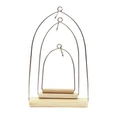

Wooden bird feeders are an important tool for attracting birds to your garden or park, but to ensure they continue to function, they need to be maintained regularly. Here are some detailed steps and precautions on how to maintain wooden bird feeders.
Cleaning Feeders
Use Mild Soap and Water
Wash the feeder thoroughly with mild soap and water. Avoid using cleaners containing bleach or other chemicals as they can be harmful to birds.
Rinse and Dry Thoroughly
After cleaning, rinse the feeder thoroughly to remove all soap residue. Then place the feeder in a cool and ventilated area to dry, making sure it is completely dry before reusing it.
Check the Structure of the Feeder
Inspect the Wood and Connections
Inspect the wood and connections of the feeder regularly to ensure there are no rot, cracks or loose parts. If there is any damage, it should be repaired or replaced in time to prevent the feeder from collapsing or food contamination.
Ensure Drainage Holes Are Clear
Inspect the drainage holes at the bottom of the feeder to ensure they are not blocked. Clear drainage holes help prevent food spoilage and bacterial growth.
Prevent Pests and Mold
Use Pest Repellent
Apply a thin layer of pest repellent to the inside of the feeder to effectively prevent pest infestation. Choose products that are harmless to birds and use them strictly according to the instructions.
Change Food Regularly
Change the food in the feeder regularly to avoid food spoilage and mold growth. Check the food for odors or discoloration. If you find any problems, clean and replace them with new food immediately.
Seasonal Maintenance
Winter Maintenance
In winter, due to the low temperature, food is prone to freezing. Therefore, the frequency of inspection should be increased in winter to ensure that the food is always in a suitable state for consumption. If necessary, a heating device can be set up near the feeder to keep the food warm.
Summer Maintenance
High temperatures in summer may cause food to spoil quickly. Therefore, food should be changed more frequently in summer and the feeder should be kept in a cool place to reduce the risk of food spoilage.
The above maintenance measures can ensure that the wooden bird feeder remains in good condition for a long time, providing a safe and healthy feeding environment for birds. Remember, regular maintenance will not only extend the life of your feeder, but will also attract a wider variety of birds to visit.