




Choose the right breed: Common hamster breeds include golden bears, three-line hamsters, one-line hamsters, and hamsters. Golden bears are larger in size and relatively docile in character; three-line hamsters are easier to raise and have strong adaptability to the environment; hamsters are smaller in size, more lively but less courageous. Newbies can choose according to their preferences and actual conditions.
Choose healthy individuals: Healthy hamsters have bright eyes and no eye mucus; clean ears and no odor; smooth and shiny hair, no hair loss or scabs; full body, strong limbs, able to move and eat normally; dry and clean tail, no wet tail and other symptoms.
Arrangement of the breeding environment
Suitable cage: Hamsters need enough space for activities, and it is recommended to choose a basic cage of at least 47 cm long. The cage material is preferably a wire cage or an acrylic cage. The wire cage should be careful to prevent the hamster from escaping. The acrylic cage has relatively poor air permeability and needs to be ventilated.
Bedding: Bedding can be selected from sawdust, paper cotton, etc. Choose wood chips that are odorless and dust-free. Avoid using wood chips containing chemicals. Paper cotton is soft and absorbent, which can make hamsters feel comfortable.
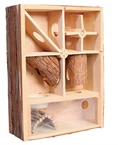
Other supplies: Place food bowls, water bottles, hiding houses, running wheels and other supplies in the cage. The food bowl should not be easily overturned, the water bottle should ensure that the hamster can easily drink water, the hiding house can provide a safe hiding place for the hamster, and the size of the running wheel should be suitable for the hamster's body size, generally about 17-21 cm in diameter.
Diet management
Staple food: The staple food of hamsters can be professional hamster food, which is nutritionally balanced and can meet the growth needs of hamsters. Do not feed hamsters human food, because human food usually contains too much salt, sugar and oil, which is not good for hamster health.
Supplementary food: You can occasionally feed hamsters some fresh vegetables and fruits, such as carrots, apples, broccoli, etc., but pay attention to the right amount to avoid causing diarrhea in hamsters. In addition, you can also feed hamsters some protein-rich foods such as mealworms and boiled eggs, but they should not be excessive.
Water: Provide clean drinking water for hamsters. Do not use tap water directly. It is recommended to use boiled water or purified water, and change it regularly to keep the water clean and hygienic.
Daily care
Clean the cage: Clean the cage regularly, generally at least once a week. When cleaning, temporarily move the hamster to another safe place, clean the bedding, feces, food residues, etc. in the cage, wipe the cage and supplies with warm water and non-irritating detergent, and then put the hamster back after drying thoroughly.
Pay attention to temperature and humidity: The suitable living temperature for hamsters is between 20-28 degrees Celsius. Avoid exposing hamsters to high or low temperatures to prevent heat stroke or colds. At the same time, the indoor humidity should be maintained at around 40%-60%. A hygrometer can be used to monitor and adjust the indoor humidity.
Avoid excessive disturbance: Hamsters are nocturnal animals and sleep most of the day. Do not disturb them frequently when they are resting, so as not to make them feel nervous and uneasy. When interacting with a hamster, be gentle and don't grab it suddenly or scare it.
Disease prevention
Observe health status: Observe the hamster's mental state, diet, feces, etc. every day. If there are any abnormalities, such as listlessness, loss of appetite, loose feces, etc., pay attention in time and consult a veterinarian if necessary.
Prevent parasites and infectious diseases: Keep the breeding environment clean and hygienic, and regularly disinfect the cage and supplies to effectively prevent the occurrence of parasites and infectious diseases. Do not let hamsters come into contact with other animals of unknown health status to prevent cross infection.